
Building Futures That Last: Sustainable Career Education Models
Foundations of Sustainable Career Education
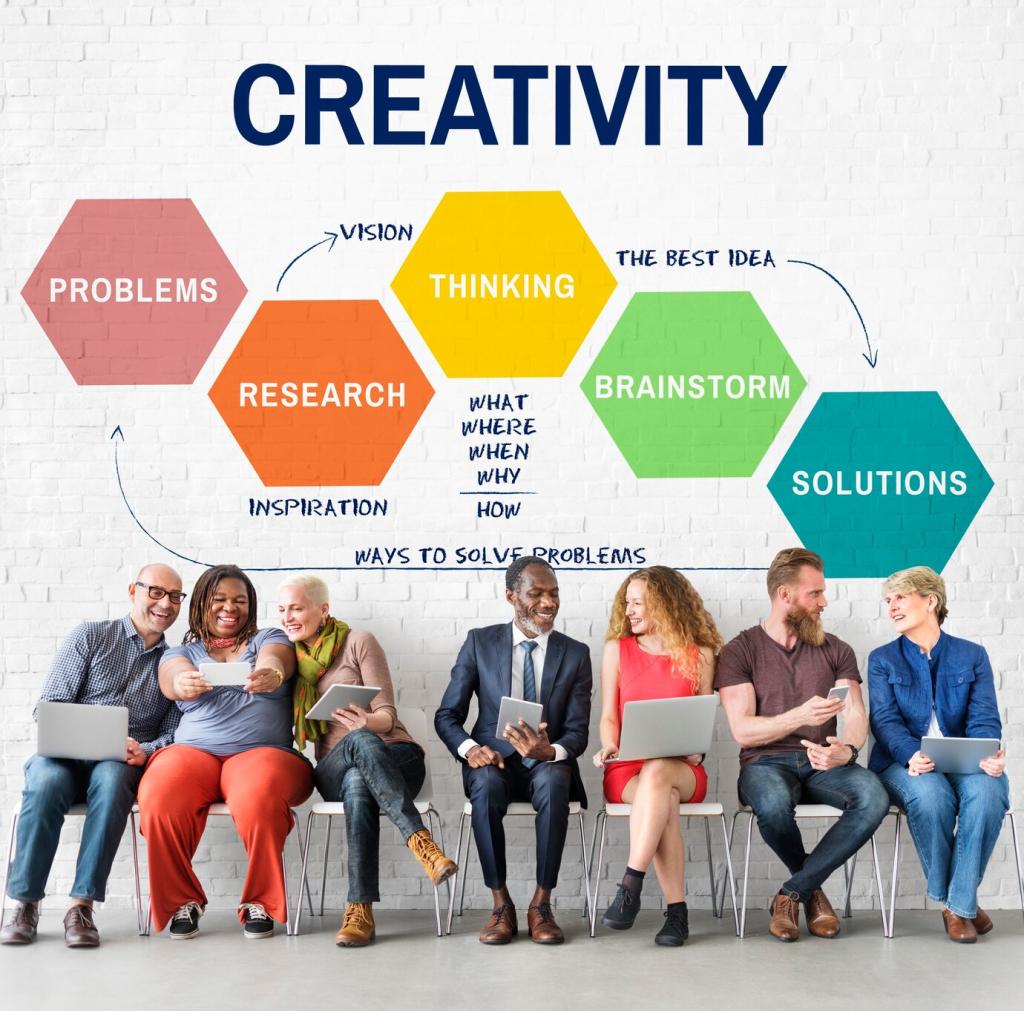
Sustainable Career Education Models thrive when curricula teach systems thinking—connecting supply chains, climate risk, policy, and ethics. Invite students to map stakeholders and consequences, then refine solutions through iterative reflection and community feedback.
Designing Coherent Stacks
Avoid random collections of badges. Sequence micro-credentials around clear outcomes, with capstones translating learning into applied impact. Ensure each stack articulates into higher credentials, protecting learners from dead-end pathways and unnecessary duplication.
Signaling Skills to Employers
Use transparent digital badges with evidence—projects, reflections, artifacts—so employers see capabilities, not vague course titles. Align metadata to frameworks like ESCO or O*NET to improve discoverability, comparability, and cross-industry mobility.
A Learner’s Pivot Story
Amina worked nights in hospitality while upskilling in circular logistics through stackable modules. In eighteen months, her badges stacked into a certificate, then an internship—proof that flexible, evidence-rich learning unlocks sustainable career mobility.
Equity, Access, and Learner Wellbeing
Offer sliding-scale tuition, paid micro-internships, travel vouchers, and childcare stipends. Schedule evening and weekend cohorts. Design for interruptions with stop-out reentry paths, preventing life events from derailing long-term career progress.
Equity, Access, and Learner Wellbeing
Adopt low-bandwidth platforms, mobile-first design, and downloadable materials. Provide offline assignments and campus hotspots. Technology should reduce friction, not amplify inequity, while still delivering rigorous, engaging, and accessible learning experiences.

Technology and Low-Carbon Delivery
Cluster in-person sessions for labs and fieldwork, then move seminars online. Support local micro-hubs for short commutes. Track travel emissions and redesign schedules that protect both the planet and student budgets.
Longitudinal Career Outcomes
Follow alumni for three to five years to capture progression, promotions, and career shifts. Combine surveys with verified employment data, always respecting privacy, to understand which learning experiences drive durable gains.
Beyond Simple Placement Rates
Measure job quality, belonging, wage growth, and skill utilization. Report how programs support caregivers, first-generation learners, and career changers. Sustainable success is about stability and dignity, not just speed to hire.
Transparent Dashboards and Dialogue
Publish accessible dashboards and invite readers to critique metrics. What outcomes matter most to you? Comment with suggestions, and subscribe to follow our quarterly improvements and community-led accountability experiments.
Combine public grants, employer sponsorships, philanthropy, and revenue-sharing micro-credentials. Build contingency reserves and outcome-linked scholarships, so support continues when budgets tighten or markets shift unexpectedly.
Funding and Governance for Durability
Seat learners and alumni on advisory boards. Publish meeting notes, decisions, and rationale. Governance anchored in transparency cultivates trust, improves relevance, and prevents drift from mission-aligned, sustainable career outcomes.
Funding and Governance for Durability